Description
Eat Stop Eat—In-Depth Review
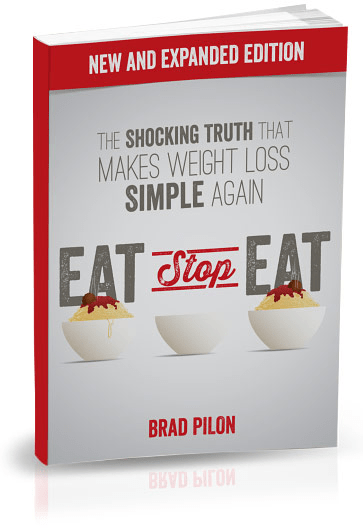
“Eat Stop Eat” is an approach to intermittent fasting popularized by Brad Pilon. The version shown on the sales/control page “IFdiet-x.php” offers its own spin. Below is a breakdown: what it promises, what it delivers, strong points, weaknesses, and who it might work for.
What is Eat Stop Eat?
-
“Eat Stop Eat” is a program/method for intermittent fasting (IF). The key idea: you fast (i.e., do not eat) for full 24-hour periods, up to twice per week (non-consecutive fasting days), while eating normally the rest of the time.
-
“Eat Stop Eat” is a method that was created by Brad Pilon, based on research (including his studies at the University of Guelph) into the health effects of short-term fasting.
What the Sales Page Promises (from IFdiet-x.php)
From what I saw on that “IFdiet-x.php” page:
-
Claim: Rapid weight loss with simplified eating—by strategically timing when you eat vs when you don’t.
-
It promises to help with fat loss, metabolic health, and maybe improved energy and body composition.
-
It suggests the fasting days can help trigger certain body responses (e.g., fat burning) without having to be on rigid diets every day.
-
There are also claims about “no need to be perfect,” flexibility, and a support system (guidance, possibly coaching, or community).
Because the sales page is designed to convert, certain promises are emphasized (fast results, simplicity, minimal sacrifice, and sustainability over the long term).
Science & Evidence: What We Know
What makes Eat Stop Eat credible, and what is less certain:
Strengths/Supported Claims:
-
Weight and fat loss
Some studies have shown that this type of intermittent fasting (24-hour fasts, 1–2 times per week) helps reduce calorie intake and body weight. -
Metabolic benefits
Intermittent fasting research has shown improved insulin sensitivity, reduced markers of inflammation, and beneficial effects on cholesterol and lipids. -
Simplicity & flexibility
One big appeal is that on non-fasting days you eat normally, which many users find easier to adhere to versus strict daily calorie restriction. -
Autophagy and cellular repair are supported by some suggestions found in the broader fasting literature.
Although not always proven in human trials, fasting is thought to stimulate cellular repair processes and reduce oxidative stress. (The sales page may refer to such effects, though these are harder to quantify directly.)
Weaknesses/Risks/Caveats:
-
Hunger is one of the early side effects.
Fasting for 24 hours can be difficult for beginners—hunger, low energy, irritability, and trouble sleeping or concentrating. The adaptation phase can be rough. -
Unsuitable for certain populations
If you are pregnant, under 18, or have certain medical conditions (diabetes, eating disorders), fasting may be risky. Also, those on certain medications may need medical supervision. -
Overeating on non-fast days
Some people may compensate by eating excessively when not fasting. If caloric intake is not managed, you may reduce or negate the benefits. -
Not magic—results vary
How much fat you lose and how much metabolic health improves depends on your starting point, lifestyle (sleep, stress, exercise), food quality, and adherence. Expect variation. -
Long-term sustainability
Maintaining intermittent fasts over years may be challenging psychologically or socially. Some may drift away or find other methods more sustainable.

User Experience & Practicality
-
Ease of use: Once you adapt to “Eat Stop Eat,” scheduling quick days is straightforward. You choose when to fast, so it fits around your schedule (e.g. fast from dinner one day to dinner the next).
-
Lifestyle fit: Good if you have flexibility and are okay skipping meals. This can be particularly challenging if you have rigid eating schedules, family/social eating commitments, or physically demanding work.
-
Tips for best results:
• Stay well-hydrated.
• On non-fast days, focus on nutrient-dense foods (proteins, vegetables, and healthy fats).
• Light exercise/movement helps.
• Sleep and stress management are especially important, because fasts are physiological stress.
Final Assessment: Who It’s Best For & Verdict
Best for:
-
These are people who want a relatively simple but evidence-backed way to lose weight without following daily calorie counting or rigid diets.
-
Those who’ve tried daily caloric restriction and want a change.
-
Intermediate exercisers who can tolerate periodic fasting.
-
People wanting metabolic health improvements, not just weight loss.
Less ideal for:
-
Individuals with medical conditions (diabetes, hypoglycemia, etc.) unless supervised.
-
There are individuals who have a history of disordered eating.
-
Highly active individuals whose performance suffers when skipping meals regularly.
-
Those who prefer frequent, smaller meals or social meals at fixed times.
Strengths vs Weaknesses: A Summary
| Strengths | Weaknesses |
|---|---|
| Backed by intermittent fasting research | Harder beginning phase (hunger, adaptation) |
| Flexible schedule; only 1-2 fasts/week | Possible overeating compensation |
| Many metabolic health benefits beyond fat loss | Not suitable for all; medical caution needed |
| Doesn’t require rigid daily diets | Results vary; depends heavily on consistency and other lifestyle factors |
My Verdict
“Eat Stop Eat” is a solid, well-researched fasting protocol. If you go into it informed, with realistic expectations, it’s likely to work for weight loss and improving metabolic health. It won’t be effortless, especially at first, and it won’t substitute for poor diet or lack of physical activity—but for many, it may offer a more sustainable path than stricter daily restriction.
If you’re considering joining via the specific “IFdiet-x” page, make sure you read the fine print: how much support/guidance is included, the refund policy (if any), and whether it matches your health status.